

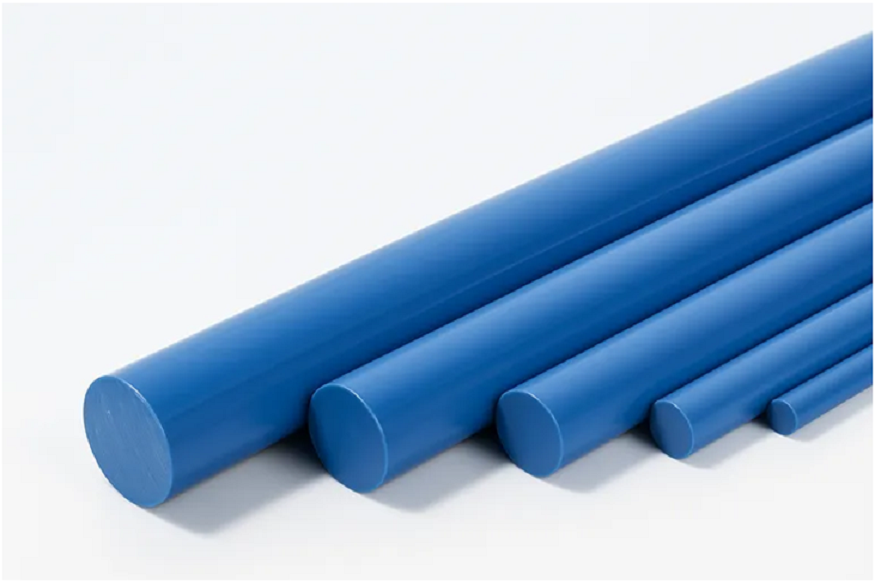
Smarter logistics and online ordering systems now support small orders with real-time stock visibility and efficient delivery.
For years, buying engineering plastics has come with one major catch: bulk commitments. Whether or not you needed a full sheet, minimum order quantities and rigid pricing models left little room for flexibility.
But that’s starting to change.
More engineering plastic suppliers are starting to challenge the old model, offering smaller quantities, cut-to-size options, and simplified ordering. No excess, no waste, no inflated invoices.
So, is it really possible to source engineering plastics without those large-scale commitments? The simple answer is yes.
In this blog, we will understand how ordering engineering plastics without bulk commitments is possible.
Clear Pricing for Low-Volume Orders
In the past, one of the biggest roadblocks to ordering engineering plastics was price opacity. For small orders, buyers often had to “request a quote” and wait days for a response, only to discover that the minimum order far exceeded what they needed.
As a result, businesses were forced to purchase quantities more than required, creating unnecessary waste and added challenges around storage, cost and logistics.
Fortunately, that’s changing, and suppliers are understanding customers’ needs. Today, leading engineered plastics suppliers offer transparent and upfront pricing, even for low-volume or one-off orders. Whether you’re after a single acetal rod or a cut-to-size UHMWPE sheet, you can now see prices instantly and make quick, informed decisions.
This shift empowers engineers, small business owners, and procurement teams alike to stay on budget and avoid over-ordering, especially for repair jobs, prototypes, and custom projects requiring a few materials.
Suppliers Adapting to Small-Scale Industrial Needs
Engineering plastic suppliers that understand small-scale needs are leading the charge in the current market. These suppliers recognise that today’s industrial buyers are just as likely to be startups and custom manufacturers as they are multinational firms.
They’ve adapted by offering flexible order quantities, no minimum thresholds on key stock lines, and responsive customer service that doesn’t prioritise high-volume buyers alone. This means smaller players can now access high-quality materials without unnecessary restrictions, just like their large-scale counterparts.
In short, the barrier to entry has lowered. Small-scale buyers are no longer excluded from the conversation about sourcing high-performance engineering plastics.
Smarter Logistics and Warehousing for Small Plastic Orders
Fulfilling small plastic orders used to be more trouble than it was worth for both the buyer and the supplier. Engineering plastics are often bulky, heavy and highly variable in size. These characteristics made traditional supply chains inefficient for handling non-standard, low-volume requests.
But that’s no longer the case.
Leading suppliers today have updated their warehouse and logistics infrastructure to precisely handle small orders. Real-time stock visibility for certain sheet sizes, rod lengths, and even off-cuts is now possible due to advanced inventory tracking. Because of this, suppliers can provide pre-cut dimensions or partial cuts without interfering with bulk inventory procedures.
Efficient batching and specialised packaging for smaller quantities have further streamlined fulfilment. Delivering quality engineering plastics in the exact quantity required is no longer a logistical burden.
Online Ordering Systems
Modern online ordering platforms have made it much easier to source small quantities of engineering plastics without the hassle. Instead of calling a sales rep or requesting a quote, buyers can now browse available stock, compare materials, and place precise low-volume orders directly through a website.
These systems support real-time stock visibility and clear, per-unit pricing, even for small plastic orders. Whether you need a sheet of PEEK or a singlePET rod, you can select materials and dimensions without running into minimum order warnings or hidden bulk fees.
For small-scale buyers in maintenance or custom fabrication, this level of access and transparency is a game-changer. It enables 24/7 procurement, reduces manual errors, and speeds up turnaround, ensuring you only pay for what you need and nothing more.
The bottom line is that the move towards low-volume sourcing reflects a broader evolution in how modern industries operate. As businesses continue to demand speed and flexibility, suppliers who embrace small-order fulfilment are becoming strategic partners rather than just vendors.
If you’re still navigating traditional procurement systems or waiting days for quotes on basic materials, it’s time to rethink your sourcing strategy. Look for engineering plastics suppliers who align with your workflow and offer visibility and fair pricing without volume traps.