

India’s FMCG (Fast-Moving Consumer Goods) sector is going through a major transformation in 2026. From changing consumer behaviour to digital growth and rural demand recovery, the industry is adapting quickly to meet new expectations. This evolution is shaping how everyday products, from snacks to personal care, are made, sold, and consumed across the country.
A Shift Towards Volume-Led Growth
After a few years of price-driven growth due to inflation, 2026 is seeing a clear shift towards volume-led expansion. This means more people are buying products, rather than just paying higher prices for the same items. Experts expect high single-digit volume growth in the sector, supported by better economic conditions and stable prices.
Lower inflation and GST reforms have made daily essentials more affordable. This has encouraged consumers, especially middle-class families, to spend more on FMCG products. As a result, companies are focusing on increasing sales volumes rather than relying only on price hikes.
Rural India Driving Demand
One of the biggest changes in 2026 is the strong comeback of rural demand. Rural markets are now growing faster than urban areas in terms of volume.
Improved income levels, better infrastructure, and government support have boosted purchasing power in villages and small towns. Affordable pack sizes and easy availability in local stores are helping FMCG products reach deeper into rural India.
This shift is important because rural areas contribute a large share of FMCG consumption. Companies are now designing products and pricing strategies specifically for these markets.
Read More: 10 benefits of eating seasonal food(food)
Urban Recovery and Premium Choices
While rural demand is rising, urban markets are also showing signs of recovery. Consumers in cities are gradually increasing their spending, especially on premium and lifestyle-oriented products.
Young consumers, including Millennials and Gen Z, are influencing buying patterns. They prefer products that offer better quality, unique flavours, and a memorable experience. This trend is visible in categories like snacks and confectionery.
For example, products like Pulse candy and innovative variants such as Pulse Golmol Imli or Pulse Golmol reflect how flavour innovation is becoming important. These products are not just about taste but also about creating a fun and exciting experience for consumers.
Rise of Digital and Quick Commerce
Digital transformation is playing a huge role in shaping the FMCG sector. Online platforms and quick commerce services are growing rapidly, making products available within minutes.
E-commerce is expected to contribute a significant share of FMCG sales in the coming years, with companies investing heavily in digital advertising and online distribution.
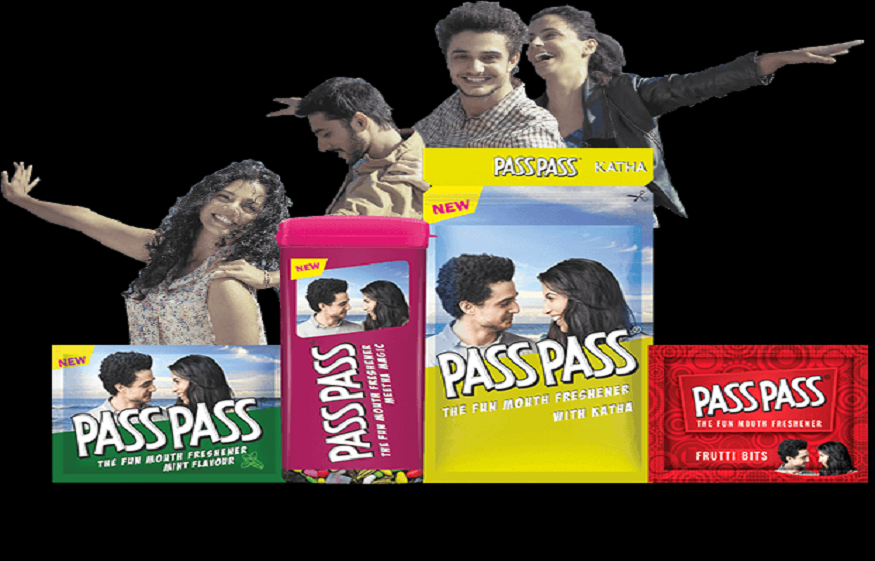
Quick commerce, in particular, is changing buying habits. Consumers now expect instant delivery of daily items, including snacks and confectionery like Pass Pass Pulse candy or other popular Pulse item variants. This has forced companies to rethink supply chains and logistics.
Smarter Pricing and Better Margins
Another key development in 2026 is improved profit margins for FMCG companies. Lower raw material costs and better pricing strategies are helping businesses maintain profitability.
Companies are also using data and technology to understand consumer behaviour. This allows them to set smarter prices, offer targeted discounts, and improve overall efficiency.
At the same time, brands are balancing affordability with premiumisation. While some consumers look for value-for-money options, others are willing to pay more for better quality or unique offerings.
Read More: Evan Bass Men’s Clinic on Amplifying Mental Health Therapy with Non-fiction
Innovation in Products and Flavours
Innovation has become a major focus in the FMCG sector. Companies are constantly introducing new products to attract consumers and stay ahead in a competitive market.
In the confectionery segment, creative flavours and formats are gaining popularity. Products like Pulse Golmol Imli and Pulse Golmol show how traditional Indian flavours are being reimagined in a modern way. These innovations help brands connect with both younger audiences and those who enjoy nostalgic tastes.
Health and wellness trends are also influencing product development. Consumers are becoming more conscious about ingredients, leading to demand for healthier options across categories.
Sustainability and Responsible Growth
Sustainability is no longer optional in 2026. FMCG companies are focusing on eco-friendly packaging, reduced waste, and responsible sourcing.
Consumers are also becoming more aware of environmental issues and prefer brands that align with their values. This is pushing companies to adopt greener practices and communicate them clearly.
From reducing plastic usage to improving supply chain transparency, sustainability is becoming a key part of the FMCG growth story.
Technology and Data-Driven Decisions
Technology is transforming how FMCG companies operate. Tools like artificial intelligence and data analytics are helping businesses predict demand, manage inventory, and personalise marketing.
This shift is making operations more efficient and helping companies respond quickly to changing market trends. It also allows them to launch products faster and reach the right audience at the right time.
A Market Full of Opportunities and Competition
India’s FMCG sector is growing rapidly, but it is also becoming more competitive. New-age direct-to-consumer (D2C) brands are entering the market, challenging traditional players.
At the same time, the large and diverse consumer base offers huge opportunities. With a market size running into trillions and steady growth expected, FMCG continues to be one of the most important sectors in the Indian economy.
Companies that focus on innovation, affordability, and strong distribution networks are likely to succeed in this evolving landscape.
What This Transformation Means for Everyday Consumers
The changes in India’s FMCG sector are directly impacting daily life. Consumers now have more choices, better quality products, and easier access through both offline and online channels.
Whether it is buying a quick snack like Pulse Candy, trying new flavours such as Pulse Golmol Imli, or ordering a favourite Pulse item online, the overall experience has become faster, more convenient, and more exciting.
As the sector continues to evolve, one thing is clear: India’s FMCG market in 2026 is more dynamic, consumer-driven, and innovation-focused than ever before.