

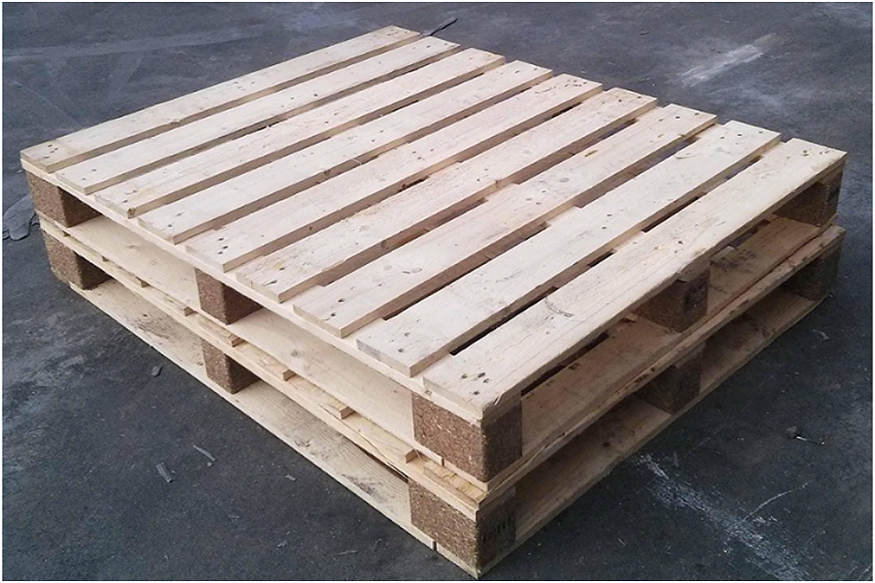
Wooden pallets play a vital role in daily warehouse, factory, and transport operations. They are crucial for maintaining the stability, safety, and integrity of goods throughout the supply chain. Damaged or poorly maintained pallets can quickly lead to broken products, workplace injuries, equipment failure, and costly delays.
Even minor pallet damage can jeopardise the safety and efficiency of haulage operations.A single loose nail or cracked board can cause pallets to collapse or destabilise loads, raising serious issues. Inspecting pallets before use prevents these risks, protects your team, and maintains smooth, uninterrupted operations.
This article outlines the key steps for properly inspecting wooden pallets before use and demonstrates how to incorporate pallet safety into your shipment and storage process.
Check for Broken or Cracked Boards
When inspecting wooden pallets, structural damage is the first thing to check. Broken, cracked, or missing boards can weaken the pallet and put the entire load at risk. Even small splits can cause pallets to collapse during handling or transport.
Pay special attention to cracks near the edges, gaps from missing boards, and splits running along the grain. These are clear indicators of potential failure points. Remove damaged pallets immediately to prevent workplace injuries, product loss, and supply chain disruptions.
Look for Protruding Nails or Fasteners
Loose or protruding nails and fasteners are a critical hazard. They can puncture packaging, damage goods, injure employees, and weaken the pallet’s structural integrity.
Always inspect pallets to ensure that nails and fasteners are secure and properly aligned with the wood surface. If nails are dislodged or sticking out, remove the pallet from use or repair it immediately to maintain a safe working environment.
Inspect for Moisture or Mould
Moisture is a serious risk for wooden pallets. Damp pallets can weaken, harbourmould, and compromise hygiene, especially in industries like food, pharmaceuticals, and export, where standards are strict.
Look for signs of moisture, such as surface dampness, soft or spongy wood, discolouration, and musty odours, as these often point to mould growth. Moisture-damaged pallets should be removed immediately to prevent product contamination, spoilage, or rejected shipments.
Choosing ISPM-15 certified pallets can reduce the risk of moisture retention and microbial growth, especially for export use.
Look for Warping or Unevenness
Pallets must have a flat, even surface to stack safely and carry loads without the risk of instability. Warped pallets can cause unstable loads, increasing the chance of tipping or collapsing during transport or storage. To inspect, place the pallet on a level surface and check if it sits evenly.
Warping may cause the pallet to tilt, bow, or leave uneven gaps between boards. Warped pallets should not be used for heavy loads or tall stacks, as they pose a serious safety risk. Where possible, remove or repair warped pallets to maintain stable and secure handling.
Confirm Cleanliness
Lack of cleanliness may not be considered physical damage, but it can still compromise product quality and cause contamination, particularly in industries such as food, pharmaceuticals, and export, where hygiene standards are strict. Dirty pallets, especially those stained or contaminated withchemical residues, can transfer dust, chemicals, or bacteria onto your goods.
Always ensure pallets are free from visible debris, spills, or chemical marks and that they are completely dry to the touch. Using clean, dry pallets helps safeguard your products, supports regulatory compliance, and reduces the risk of shipment rejection.
The bottom line is that regular pallet inspections, whether before or during use, are crucial for maintaining workplace safety, protecting products, and ensuring a smooth supply chain flow. Skipping this step can lead to damaged goods, workplace injuries, or costly delays.
Incorporating pallet checks into your operations strengthens your logistics chain and reduces the risk of unexpected setbacks. For best results, work with an experienced pallet supplier who provides quality-checked, heat-treated pallets that meet industry standards and offers pallet repair services when needed. At Waterstone Pallets, they produce quality custom pallets and they also offer a pallet repair service. If pallets can be repaired, it can be more cost effective for your company. Consider making a call to their team today.