

Tipper trucks are built for demanding tasks, but even the most durable equipment can experience accelerated wear if not properly managed. Day-to-day operations expose tipper bodies to constant abrasion, harsh impact, corrosive moisture, and material hang-up, all of which contribute to long-term wear.
A tipper operating under tough site conditions, combined with poor tipping practices or frequent overloading, faces unnecessary wear that shortens its usable lifespan. Reducing unnecessary wear means improving operational safety, reducing downtime, and protecting the investment value of every truck in the fleet.
This article outlines practical strategies that tipper operators can use to reduce wear and keep their trucks performing optimally.
Operate Within Load Limits
Keeping loads within the manufacturer’s rated capacity is one of the simplest and most effective ways to reduce wear on the tipper tray. Overloading strains the tipper body, putting the entire vehicle at risk. For instance, excessive weight can cause premature cracking and tray deformation.
Fleet managers should provide clear load guidelines and actively ensure that operators follow safe loading practices. This simple, consistent practice helps prevent structural damage and supports long-term fleet reliability.
Use Appropriate Tipping Techniques
How a tipper truck is unloaded has a direct impact on how wear develops over time. If the tray is lifted too quickly or at a steep angle, heavy or abrasive materials, like rock, rubble, or scrap, can hit the body with excessive force. That kind of impact doesn’t just leave dents; it can weaken welds, loosen joints, and in some cases, permanently deform the tray.
That said, recommended practices like controlled tipping and gradually raising the tray to release materials help spread the impact and reduce concentrated stress points. Tipping on level ground, whenever possible, further stabilises the vehicle and reduces lateral stress on the tray.
Training operators on correct tipping speeds, angles, and ground positioning can greatly reduce unnecessary wear on the truck body.
Select the Right Body Liner for the Job
Choosing a properly engineered truck body liner is one of the most effective ways to reduce wear caused by friction, abrasion, and material adhesion, yet it’s often overlooked.
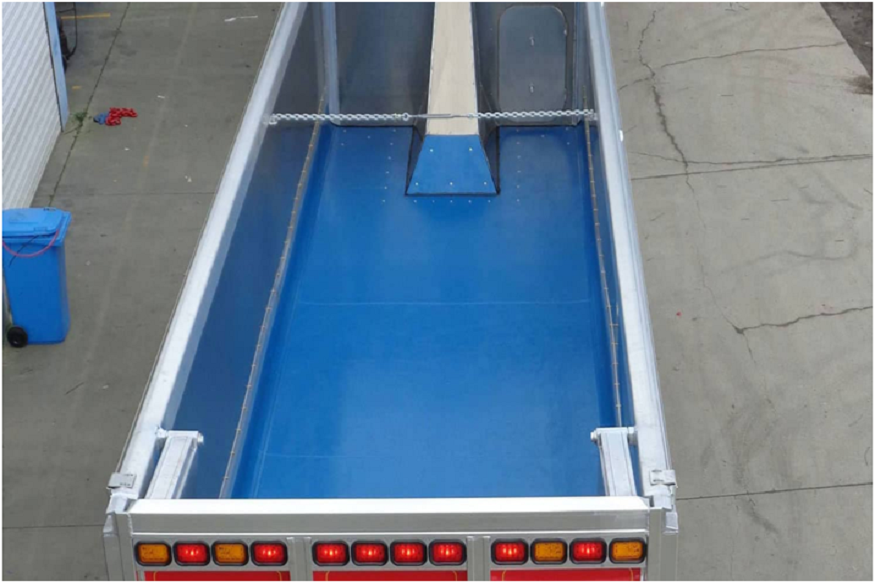
Non-stick UHMWPE (Ultra High Molecular Weight Polyethylene) bed liners, such as OKUSLIDE®, offer low surface energy and excellent impact resistance. These properties help reduce sliding friction, minimise material hang-up, and eliminate the need for manual cleanouts or excessive tipping angles. Over time, this directly reduces tray surface wear and improves unloading efficiency.
However, not all liners are designed for the same conditions. Operators must consider both the physical characteristics of the load (e.g. moisture content, particle shape, abrasiveness) and the operating environment (e.g. tipping frequency, terrain conditions, UV exposure). For example:
- Sticky, cohesive loads like wet clay benefit from high-slip, low-friction surfaces
- Sharp, abrasive materials such as crushed rock or demolition waste require high wear-resistance and impact durability
Matching the liner material to the load type and tipping frequency ensures optimal performance. A well-selected liner improves load release, reduces structural fatigue, and supports safer, more efficient haul cycles across a variety of applications.
Train Operators on Best Practices
Ongoing training plays a vital role in how well operators care for tipper trucks under real working conditions. No matter how durable the equipment is, poor day-to-day handling can quickly accelerate wear and lead to avoidable damage.
Effective training should go beyond basic operation. It should cover how to load evenly, recognise early signs of wear, use liners properly, and tip safely, especially on uneven or unstable ground. Operators also need to understand the value of routine checks and simple cleaning habits that help preserve the condition of the tray.
Well-trained operators not only extend the life of fleet equipment; they also contribute to safer, more consistent job sites. Regular training keeps best practices front of mind and helps teams avoid costly mistakes that build up over time.
Reducing wear isn’t just about making equipment last longer. It’s about improving safety, reducing downtime, and protecting your operating margins. When both operators and fleet managers commit to smarter everyday practices, the result is fewer repairs, more uptime, and trucks that stay in service longer.
For tailored advice on how to protect your fleet and reduce wear, speak to a trusted tipper body liner supplier today.